
Does Leg Length Difference Cause Pain? What Actually Matters

“So What” If Your Legs Aren’t the Same Length?

If you’ve ever been told you have:

  • A “short leg”
  • A “long leg”

…you’ve probably wondered:

  • Is this causing my pain?
  • Do I need to fix it?

First: There Are Two Types of Leg Length Differences

1. Structural Leg Length Difference

This means:

  • Your bones are actually different lengths

Possible causes:

  • Injury during growth
  • Changes to long bones (femur, tibia)
  • Joint or foot structure differences

What can help:

  • Heel lifts
  • Shoe modifications

These can reduce:

  • One-sided strain
  • Imbalance through the hips, back, or legs

2. Functional Leg Length Difference

This is much more common.

It means:

  • Your bones are the same length
  • But your movement patterns create asymmetry

In other words:

  • It looks like a leg length difference
  • But it’s really about how your body is being used

What can help:

  • Temporary heel lifts (short-term only)
  • Movement retraining
  • Strength and stability work

A Common Experience

If your issue is functional, you may have noticed:

  • A heel lift helps at first
  • Then starts to feel uncomfortable
  • Or even creates new pain

This often happens because:

  • Your pattern is changing
  • The original imbalance is resolving

Is Leg Length Actually the Cause of Your Pain?

Maybe—but often not in the way you think.

It can be:

  • A contributing factor
  • One piece of a larger puzzle

But not usually the sole cause.

Important Perspective: The Body Is Naturally Asymmetrical

Consider this:

  • Your heart sits on one side
  • Your liver sits on the other
  • Even paired structures aren’t identical

Your body:

  • Doesn’t function in perfect symmetry
  • Doesn’t need to


cartoon drawing of yaling with tools for you

Things I’ve learned from patients over the years that might help you

Where to Focus Instead

Rather than fixating on leg length, shift your attention to:

Strength and Stability

Build strength in:

  • Feet
  • Legs
  • Glutes
  • Low back

With:

  • Equal attention to both sides

Often, when this improves:

  • Pain decreases
  • Function improves

Simple Starting Point: Balance Work

One of the easiest ways to begin:

  • Single-leg balance exercises

Examples:

  • Standing on one foot
  • Yoga poses like tree pose

These help:

  • Improve coordination
  • Build stability
  • Highlight asymmetries without overcorrecting them

A Surprising Tool: Backward Movement

If you’re dealing with:

  • Low back pain
  • Stiffness from prolonged sitting

Backward movement can help.

Options to Try:

  • Walking backward on a treadmill (low speed, hold rails)
  • Backward motion on an elliptical
  • Carefully practicing backward walking outdoors (with support)

Why It Helps:

  • Engages the posterior chain
  • Reduces forward-dominant posture
  • Changes muscle activation patterns

A Practical Insight

Many people spend their day:

  • Sitting
  • Leaning forward
  • Operating in a forward-driven posture

Backward movement helps:

  • Counterbalance that pattern
  • Open the front of the body
  • Reduce accumulated tension

cartoon image of yaling with saying, what would ya-ling do

A look at my personal approach

Walking Backwards

I like to use short stints of backwards motion on a treadmill or an elliptical machine, even outside sometimes where I know it’s safe. It can feel:

  • Unfamiliar
  • Challenging
  • Surprisingly effective

The sensation of backwards motion highlights how differently your body works outside its usual patterns.

My Go-To Release Strategy

After days involving:

  • Bending
  • Lifting
  • Prolonged activity

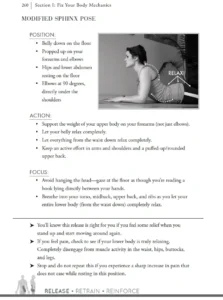
A simple extension-based position (like a modified sphinx pose) helps me:

  • Relieve tension
  • Restore neutral mechanics
  • Reduce strain on the low back

(excerpt from Fix the Fire Damage (The Everyday Pain Guide #2)

The Bottom Line

Leg length differences can matter—but not as much as you’ve probably been led to believe.

Instead of chasing perfect symmetry:

  • Build strength
  • Improve movement
  • Stay adaptable

That’s what tends to make the biggest difference in how you feel.

 

ya ling liou

Ya-Ling Liou, D.C

I’m an evidence-based chiropractic physician with more than three decades of clinical experience. I’ve also spent years teaching anatomy, physiology, kinesiology, and physical medicine. I value taking the time to foster authentic human connection, creating space for a deeper understanding of my patients’ pain and lived experience.

Your Personal Pain-Coping Coach

Get a custom roadmap to help you understand and move through persistent pain.

Relelated

When Is Foot Pain Actually Plantar Fasciitis?

Heel or foot pain isn’t always straightforward—but plantar fasciitis has some recognizable patterns. Understanding what’s really happening in your foot can help you respond early and avoid longer-term issues.

woman squatting

There Is Nothing Wrong With Your Posture

In this episode, we explore why posture is often misunderstood, why what you see on the outside isn’t a reliable indicator of what’s happening inside your body, and how focusing too much on appearance can actually make things worse.