

What Can Help Right Away
1. Temporary Support
- Arch supports can reduce strain
- Heel pads can act as a “crutch” during recovery
2. Ice + Arch Support Combo
A simple strategy:
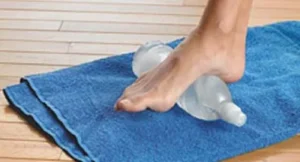
- Use a frozen water bottle under your foot (pictured below)
Options:
- Roll your foot over it
- Or rest your foot on it
Guidelines:
- 2–3 minutes at a time
- Multiple times per day
This helps:
- Reduce inflammation
- Support the arch simultaneously
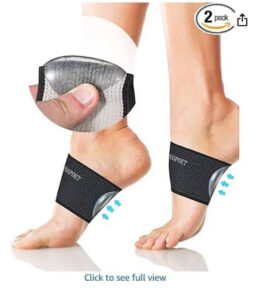
If you are currently struggling with foot and/or heel pain, here is one tool that can act as a crutch to help you get through the day while you work towards allowing your foot to heal. You can click on the photo to see more similar products (make sure to position the pad in front of but closer to your heel than your toes):
3. Pain Relief (With Awareness)
If you rely on over the counter medications like:
- Ibuprofen
- Naproxen
…while these can help reduce discomfort.
just remember:
- Pain relief ≠ problem solved
- If behavior doesn’t change, pain may persist after the medications wear off
What to Avoid
- Ignoring the pain
- Continuing the same aggravating activities
- Relying only on symptom relief
What Helps Long-Term
Build Foot Strength
Strengthening the foot can:
- Improve arch support
- Reduce strain on connective tissue
- Prevent recurrence
Examples to Explore
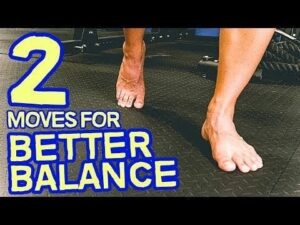
- Foot and ankle stability exercises (video linked below)
- Balance work (yoga for eg.)
- “Short foot” activation (engaging the arch)
Note: Strength work is best introduced after acute inflammation settles.
A Different Way to Think About Your Feet
Your feet are not passive.
They are:
- Active
- Responsive
- Essential for movement
Common Mistake: Treating Feet Like “Hooves”
Many people:
- Squeeze feet into narrow shoes
- Move without engaging foot muscles
- Rely on passive support
Over time, this reduces:
- Strength
- Awareness
- Stability
A More Supportive Approach
Instead:
- Let your toes move
- Engage your foot muscles
- Pay attention to how you walk
Even small changes can:
- Improve support
- Reduce strain
- Enhance balance
A Simple Practice to Start
- Gently grip the ground with your toes
- Wiggle your toes regularly
- Use standing positions (like yoga poses) to build awareness
The Bottom Line
Plantar fasciitis isn’t just about inflammation.
It’s about:
- Load
- Support
- Movement
The sooner you respond to what your foot is telling you, the easier it is to shift the outcome.
For even more resources on foot pain relief check this previous post